Belt Drive vs Chain Drive Garage Door Opener in Chandler
Choosing between a belt drive vs chain drive garage door opener in Chandler comes down to noise, door weight and upkeep. Belt drives run quieter and suit garages under or beside bedrooms. Chain drives are simple, sturdy and handle heavy doors well. Both work in desert heat when the door itself is balanced and the opener is sized for it.
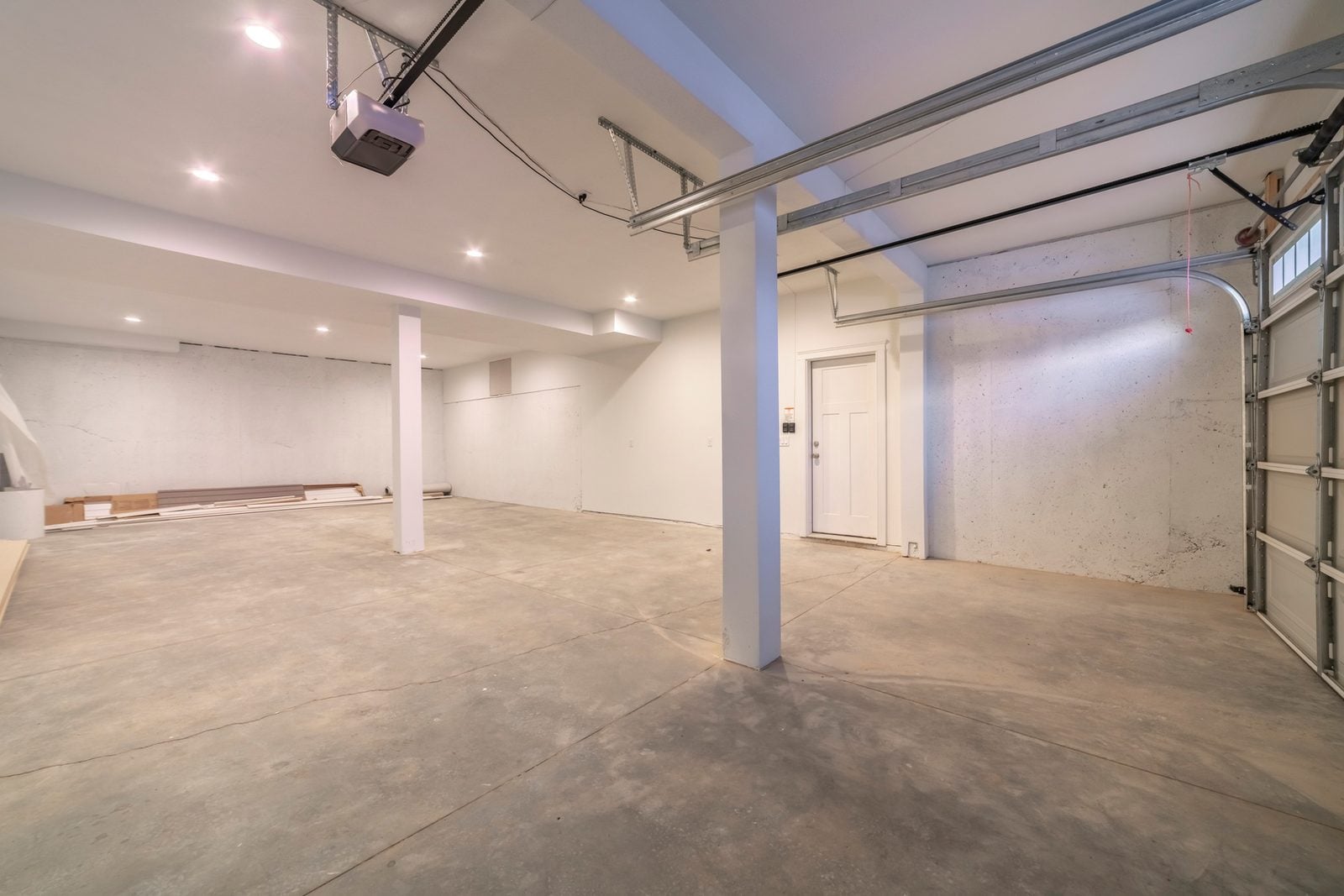
- Belt drives use a reinforced rubber belt and run quieter, which helps when living space sits next to or above the garage.
- Chain drives use a metal chain, make more noise, and are a sturdy, simple choice for heavy or older doors.
- Neither drive fixes a door with weak springs, frayed cables or a bent track, so check the door first.
- Chandler heat and monsoon dust affect both types; rail cleaning, sensor care and battery backup matter more than the drive.
- Never adjust springs yourself. If the door feels heavy or uneven, leave it closed and call.
What is the difference between a belt drive vs chain drive garage door opener?
The difference between a belt drive vs chain drive garage door opener in Chandler is what pulls the trolley along the rail. A belt drive uses a reinforced rubber belt, so it runs smoother and quieter. A chain drive uses a metal chain, like a bicycle chain, so it is louder but simple and very durable.
Everything else is mostly the same. Both types mount to the ceiling, use a motor head, a rail, a trolley and a door arm, and both must have photo-eye safety sensors near the floor and an auto-reverse feature. The motor, not the belt or chain, does the real work of moving the door, and the springs carry most of the door's weight. That is why the drive type is only one part of the choice.
- Belt drive: quieter, smoother starts and stops, fewer vibrations through the ceiling.
- Chain drive: louder, more vibration, simple parts that are easy to adjust and replace.
Is a belt drive opener really quieter than a chain drive?
Yes. A belt drive opener is noticeably quieter than a chain drive because rubber on a pulley makes less noise than metal links on a sprocket. In a Chandler home with a bedroom, office or family room above or beside the garage, that difference is often the main reason to pick a belt.
Noise also depends on the door. Dry rollers, worn hinges and loose hardware can make any opener sound rough. Before you blame the drive, check whether the door itself rattles when you lift it by hand with the opener disconnected. The guide to quieting a noisy garage door covers the simple checks.
Which opener handles a heavy garage door better?
Chain drives have a reputation for handling heavy doors well, and many owners of wood, insulated or oversized doors in the Chandler area choose them for that reason. Modern belt drives can also lift heavy doors when the motor is sized correctly and the springs are balanced.
Here is the key point: a garage door opener is not built to lift the full weight of the door. The springs do that. When springs are balanced, a standard door should feel fairly light when lifted by hand and stay put when stopped halfway. If the door slams down or feels very heavy, the springs need attention before any opener goes on. Do not try to adjust springs yourself, because they hold a lot of stored tension. The spring repair page explains what a provider checks.
Need help now? Call to be connected with a local provider in Chandler who can check availability for your address.
Which drive type needs more maintenance?
Chain drives usually need a little more routine care than belt drives. A chain can stretch and sag over time, and it benefits from light lubrication and tension checks. A belt needs less attention but can wear, fray or slip, and a worn belt usually gets replaced rather than adjusted.
Simple care for both types:
- Look at the rail and drive a few times a year for sagging, fraying or shiny worn spots.
- Wipe dust off the rail and keep the trolley path clear.
- Clean the photo-eye lenses and make sure the two sensors still face each other.
- Test auto-reverse by placing a soft object, like a rolled towel, in the door's path.
- Keep rollers and hinges on the door itself moving freely.
A yearly look at the whole system, door and opener together, is the easiest way to catch wear early. The maintenance and tune-up page describes what that visit covers.
What makes one belt or chain opener cost more than another?
The cost of a belt or chain opener in Chandler depends less on the drive itself and more on the motor, the features and the condition of the door it will move. A belt drive often costs more than a comparable chain drive, but feature choices can close or widen that gap.
Common cost drivers include:
- Drive type: belt drives usually sit above chain drives at the same feature level.
- Motor type and size: DC motors tend to start and stop more softly and often pair with battery backup.
- Features: battery backup, app control, built-in cameras, keypads and extra remotes all add to the total.
- Rail length: taller doors may need an extension kit.
- Door condition: worn springs, cables, rollers or a bent track may need work before a new opener makes sense.
- Electrical setup: a missing or poorly placed ceiling outlet adds work that needs a qualified electrician.
Ask for a written quote that lists the opener model, the parts and any door work separately so you can compare options clearly.
How do you decide which drive fits your Chandler garage?
To decide between a belt and chain opener for a Chandler garage, start with where the garage sits, how heavy the door is and how much noise you can live with. Then confirm the door is balanced and the sensors and outlet are in good shape.
- Living space nearby? If a bedroom or office shares a wall or ceiling with the garage, lean toward a belt drive.
- Heavy or oversized door? A chain drive is a sturdy, simple fit, though a properly sized belt drive can also work.
- Power outages? Look for battery backup, which comes in both belt and chain models.
- Door condition? Check for a heavy feel, frayed cables, gaps in springs or wobbly rollers before you buy anything.
If you are still unsure, the opener replacement guide covers the full swap, and you can call (480) 368-4936 to be connected with a local provider who can look at the door and opener together.
What happens during the visit?
When you call about a belt or chain opener, you are connected with a local Chandler-area provider. The visit usually follows three steps so you know what you are agreeing to before any work starts.
- Inspection: the provider checks the opener, rail, drive, sensors, wall button and remotes, then disconnects the opener to test the door's balance, springs, cables, rollers and track.
- Options explained: you hear whether a repair, a belt or chain replacement, or a new opener makes sense, and how belt and chain options compare for your door and layout.
- Written quote: you get a written quote before work begins, so you can compare choices and decide without pressure.
Have a few details ready when you call: the opener brand if you can see it, whether the door is single or double, what it sounds like, and when the problem started.
How do Chandler heat and dust affect belt and chain openers?
Chandler garages run hot for much of the year, and both belt and chain openers sit in that heat. At Phoenix Sky Harbor, the official station for the Valley, the area averages 111 days per year of 100°F or higher and 21 days per year of 110°F or higher, based on 1991-2020 normals. In 2024, Phoenix recorded 70 days of 110°F or higher, the most on record. A closed garage in that weather puts long-term stress on rubber belts, plastic gears, lubricants and circuit boards alike.
Dust is the other factor. The National Weather Service defines the monsoon as June 15 through September 30, and NWS says a Dust Storm Warning comes with likely wind gusts of 40 to 60 mph. Dust can settle on chains and rails and coat photo-eye lenses, so wiping the rail and sensors after storm season helps either drive type. Storms can also knock out power, which is why battery backup is a practical feature here.
Plan any garage work for a cool morning. NWS Phoenix says heat-associated deaths in Arizona can occur with temperatures in the mid 80s and hotter, so a long ladder job in a closed summer garage is a real risk.
Whether your home is in Chandler, Gilbert, Ocotillo, Sun Lakes or Tempe, call (480) 368-4936 to be connected with a local provider who serves your area.
Related pages
Questions people ask
What is the main difference between a belt drive vs chain drive garage door opener?
A belt drive uses a reinforced rubber belt and runs quieter, while a chain drive uses a metal chain and is louder but very sturdy. Both lift the door the same way, with the springs carrying most of the weight.
Is a belt drive garage door opener worth it if my bedroom is over the garage?
Usually, yes. A belt drive is much quieter than a chain drive, so it is a common pick when a bedroom, nursery or office sits above or beside the garage. Also check the door's rollers and hinges, since they add noise too.
Does a chain drive garage door opener last longer than a belt drive?
Not necessarily. Both can last a long time with basic care. Chains can stretch and need tension checks, while belts can wear or fray and are replaced when worn. The motor and the door's balance matter more than the drive for overall life.
Can a belt drive opener lift a heavy wood or insulated garage door?
Yes, if the motor is sized for the door and the springs are balanced. An opener is not meant to lift the full weight of the door. If the door feels very heavy by hand, have the springs checked first.
Why is my chain drive garage door opener so loud?
Chain drives are naturally louder, but extra noise often comes from a loose or sagging chain, dry rollers, worn hinges or loose hardware. Tightening loose hardware and caring for the rollers may help. If the chain slaps the rail, it may need tension adjustment.
Does Arizona heat ruin rubber garage door opener belts?
Heat does not ruin a belt quickly, but long hot summers can speed up wear on rubber belts, plastic gears and lubricants. Look for fraying, cracking or slipping, and have the opener checked if the door starts and stops unevenly.
How do I know if my garage door opener belt or chain needs replacing?
Signs include a belt that is frayed, cracked or slipping, a chain that sags badly or jumps the sprocket, grinding noises, and a door that moves in jerks. If adjusting does not help, replacing the drive or the opener may make sense.
Can I switch from a chain drive to a belt drive opener?
Usually you replace the whole opener rather than swapping the chain for a belt, because the rail, sprocket and trolley are built for one drive type. A new belt-drive unit can go on most standard residential doors.
How often should I lubricate a chain drive garage door opener?
Follow the opener manual, which often suggests a light lubrication during routine checks a few times a year. Use the product the manual recommends, avoid heavy grease that collects dust, and do not lubricate a belt drive belt.
Is a belt or chain garage door opener better for dusty Chandler weather?
Both can work in dusty weather with simple care. Dust can build up on chains and rails and coat sensor lenses, so wipe the rail and clean the photo-eyes after monsoon storms no matter which drive you have.
Do belt drive openers cost more than chain drive openers?
Belt drives often cost more than chain drives with the same features. The final price depends more on motor type, battery backup, smart features, rail length and any door repairs needed first than on the drive alone.
Should I get a battery backup on a belt or chain opener in Arizona?
Battery backup is a practical feature in Arizona because monsoon storms can knock out power. It is available on both belt and chain models, so choose the drive for noise and door weight, then add backup.
Is a wall-mounted garage door opener better than a belt or chain drive?
A wall-mounted opener is better when you want the ceiling clear for storage or tall vehicles. It mounts beside the door on the torsion bar, so it needs a compatible torsion spring setup. For many standard garages, belt and chain units work fine.
Can I install a belt or chain drive opener myself?
Some careful owners do, but only on a balanced door with an existing outlet. Never adjust springs or cables, and leave new wiring to a qualified electrician. If anything feels uncertain, call to be connected with a local provider.
How do I choose a belt drive vs chain drive garage door opener for a home in Gilbert or Ocotillo?
Start with noise and door weight. Choose a belt if living space is near the garage, and consider a chain for a heavy door in a detached or separate garage. Check door balance first, then call to be connected with a local provider.
How can I check a garage door contractor in Arizona before work starts?
You can look up a contractor in the Arizona Registrar of Contractors' online contractor search. Arizona law makes it unlawful to act as a contractor without being in good standing with the state unless exempt, so checking first is a simple step.
What should I tell the provider when I call about my opener in Chandler, AZ?
Share the opener brand if you can see it, whether it is belt or chain drive, the door size, what the problem sounds or looks like, and when it started. That helps the provider prepare for the inspection.
Talk to someone about your garage door problem
Call to be connected with a local provider who can check availability for your address and explain the next step.