How to Replace Garage Door Opener in Chandler
Wondering how to replace garage door opener equipment at your Chandler home? Start by confirming the old opener is truly worn out, then pick a drive type and features that suit a hot Arizona garage. The swap itself means removing the old unit, mounting the new one and testing safety reversal. Springs and wiring are where you stop and call.
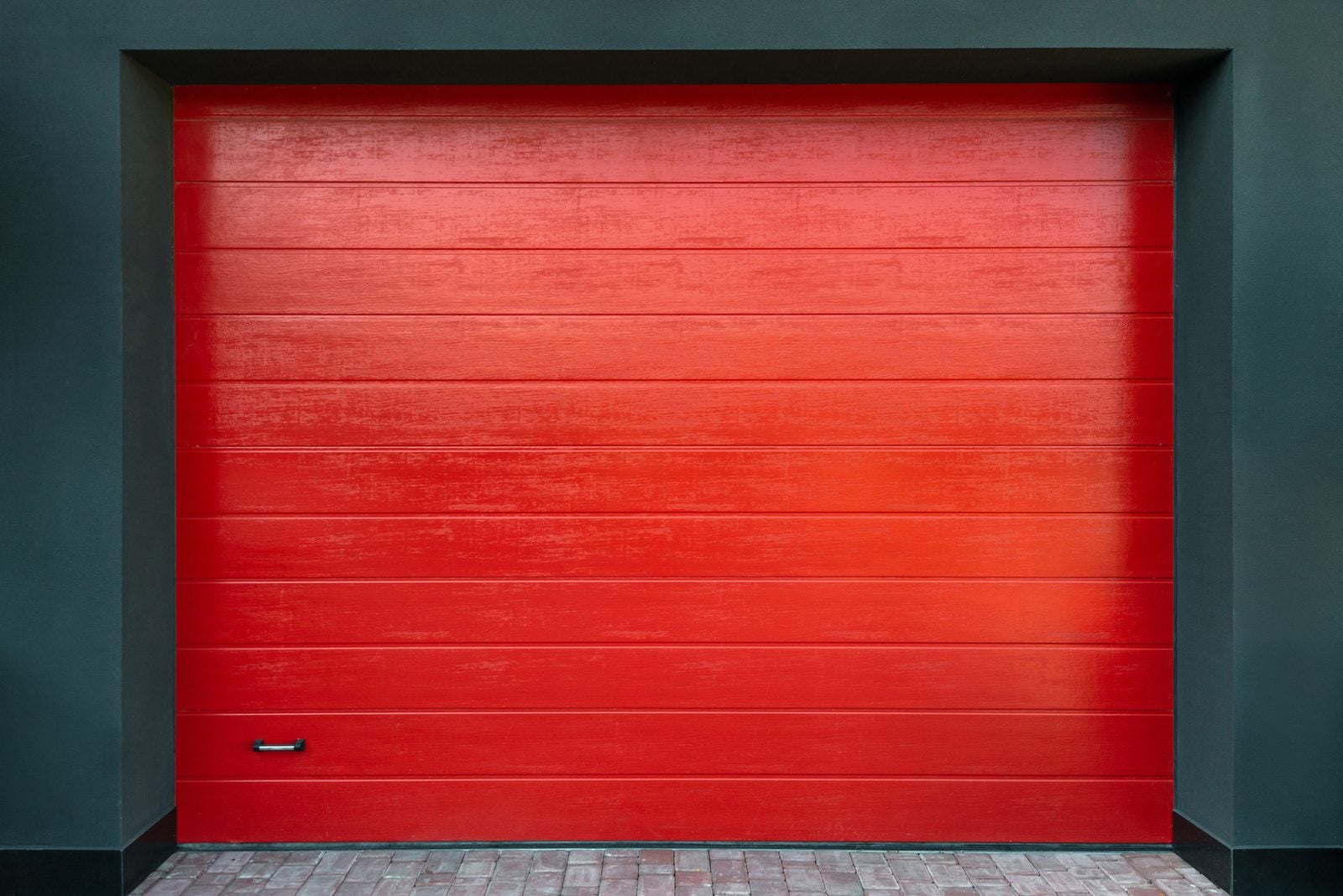
- Repeated stalls, stripped gears and failing boards are common replacement signs.
- A new opener needs a balanced door, so check the door first.
- Belt drives run quieter; chain drives are simple and sturdy.
- Battery backup and app control help with Chandler heat and storm outages.
- Never adjust springs or add new wiring yourself. If the door feels heavy, leave it closed and call.
How do you know it is time to replace a garage door opener?
In Chandler, it is usually time to replace a garage door opener when it keeps failing after resets and repairs, the drive gear or sprocket is stripped, the circuit board throws repeated errors, or the unit lacks working safety sensors.
Watch for these signs:
- The motor hums or runs, but the door does not move or moves in jerks.
- The door reverses for no clear reason even after the sensors are cleaned and lined up.
- The opener is loud enough to hear through the house, and lubricating the rail did not help.
- Remotes and the keypad keep losing their pairing.
- There are no photo-eye sensors near the floor, or the safety reverse fails the test described below.
If you are not sure whether the problem is the opener or the door, the opener repair page walks through the usual repairs first.
Should you repair or replace an opener that keeps acting up?
A single worn part, such as a gear kit, a sensor or a wall button, is often worth repairing. Replacement makes more sense when several parts are failing at once, when the same problem keeps coming back, or when the opener is missing modern safety and security features.
It also helps to separate opener problems from door problems. A weak spring, a frayed cable or a bent track can make any opener strain, stall or reverse. Putting a new motor on a door with a mechanical problem only moves the strain to new equipment. The repair vs. replacement guide covers the bigger decision of whether the door itself still makes sense to keep.
How do you choose a new garage door opener for Chandler heat?
For a Chandler home, choose a garage door opener by matching the drive type and motor strength to your door, then add features that help in long, hot summers and storm-season outages. Door size and weight come first. A heavy insulated double door needs a stronger motor than a light single door.
The main drive types are:
- Chain drive: simple and sturdy, but louder.
- Belt drive: uses a reinforced rubber belt and runs much quieter.
- Screw drive: a threaded rod moves the trolley. Fewer moving parts, but it can be noisier than a belt.
- Wall-mount (jackshaft): mounts beside the door on the torsion bar. It frees the ceiling for storage or a high-lift setup, but it needs a compatible spring system.
Ask the provider which types fit your door and spring setup before you decide.
Need help now? Call to be connected with a local provider in Chandler who can check availability for your address.
Which opener features matter most in an Arizona garage?
In an Arizona garage, the most useful opener features are battery backup, bright LED lighting, a reliable keypad, and app or Wi-Fi control.
- Battery backup: lets the door open and close during a power outage, which is common when monsoon storms move through.
- LED lighting: runs cooler than old incandescent bulbs, which helps in a garage that is already hot.
- Keypad and remotes with rolling codes: the code changes each time, which makes copying it much harder than on very old openers.
- App control and alerts: tell you if the door was left open, so heat and dust are not pouring in all afternoon.
The sensor and keypad repair page explains common keypad and photo-eye problems.
How to replace garage door opener units: what the job involves
Replacing a garage door opener generally means confirming the door is balanced, unplugging and removing the old unit, assembling the new rail, mounting the motor and header bracket, installing the safety sensors and wall control, then setting travel limits and testing the safety reverse. Follow the manual for your model.
In general terms, the job looks like this:
- Close the door and test balance by releasing the trolley and lifting the door partway. A balanced door stays put.
- Unplug the old opener, then remove the old rail, motor, sensors and wall button.
- Assemble the new rail and attach it to the header bracket above the door and to the ceiling or joists.
- Mount the motor unit securely and attach the door arm to the door bracket.
- Install the photo-eye sensors a few inches above the floor on each side, facing each other.
- Mount the wall control up high, then plug the unit into its existing outlet.
- Set the travel limits, pair remotes and the keypad, and run the safety reverse test.
What parts of replacing an opener are dangerous?
The dangerous parts of replacing a garage door opener are the springs, the cables, the electrical connection and working on a ladder in a hot garage. The opener itself is not what holds the door up. The springs are, and they carry enough tension to cause serious injury if a bracket or bolt is loosened in the wrong place.
- Spring tension: never loosen the bottom brackets, adjust torsion springs, or remove the cables. If a spring looks broken or the door feels heavy, stop. The spring repair page explains why.
- Electricity: unplug the opener before touching it. If there is no outlet near the motor or the wiring looks damaged, that is a job for an electrician.
- Door weight: a double door is heavy. Do not let it drop while the arm is disconnected.
- Ladder work in heat: plan the work for a cooler part of the day, keep water nearby, and have someone close by.
Also stop and call if the header cannot hold the bracket securely, the door is heavy or insulated, or the safety reverse will not pass after you follow the manual.
How do you test the safety reverse after a new opener goes in?
After a new opener is installed, test the safety reverse two ways: place a flat piece of wood on the floor under the door and close it, then wave an object through the photo-eye beam while the door is closing. The door should reverse both times. If it does not, do not use it until the settings are fixed.
Repeat these tests monthly and after big storms, since dust can coat the sensor lenses. Never raise the force setting to make a stiff door close. A door that needs extra force has a mechanical problem that should be checked.
What happens during the visit?
A provider usually starts with an inspection of the full system: springs, cables, rollers, tracks, door balance, the old opener, the sensors and the outlet. They then explain your options, such as repairing the current opener, replacing it with a specific drive type, or addressing a door problem first.
You should get a written quote before any work starts. Ask what each line covers, which features are included, and which items are optional. In Arizona, you can look up a contractor's license in the Arizona Registrar of Contractors online contractor search before you agree to the work.
Why Chandler heat and storms shape your opener choice
A closed Chandler garage gets hotter than the air outside. At Phoenix Sky Harbor, the official station for the area, the Valley averages 111 days per year of 100°F or higher and 21 days per year of 110°F or higher, based on 1991-2020 normals. In 2024, Phoenix recorded 70 days of 110°F or higher, the most on record. Openers sit in that heat for months.
Storm season matters too. The National Weather Service defines the monsoon as June 15 through September 30, and NWS says a Dust Storm Warning comes with likely wind gusts of 40 to 60 mph. Storms can cut power and coat sensors in dust, so battery backup is practical here.
The heat is also a safety issue for you. NWS Phoenix says heat-associated deaths in Arizona can occur with temperatures in the mid 80s and hotter, so a long ladder job in a closed summer garage is a real risk. Plan the work for a cool morning, or call instead.
Whether your home is in Chandler, Ocotillo, Sun Lakes or Mesa, call to be connected with a local provider who serves your address.
Related pages
Questions people ask
How to replace garage door opener at home, and is it a DIY job?
Replacing an opener is a DIY job for some careful owners, but only on a balanced door with an existing outlet. The general steps are removing the old unit, mounting the new rail and motor, installing sensors, and testing the safety reverse. Leave springs, cables and wiring to a pro.
What are the signs my garage door opener is dying?
Common signs are humming without movement, jerky or slow travel, random reversing, grinding noises and remotes that keep losing their pairing. If these come back after resets and simple fixes, the opener may be near the end of its life.
How long do garage door openers usually last in Arizona?
There is no fixed lifespan, because use, door balance and heat exposure all play a part. In hot Chandler garages, watch how the opener behaves rather than counting years.
Is a belt drive or chain drive opener better for a Chandler house?
A belt drive is usually the pick when quiet matters, such as a garage under or next to a bedroom. A chain drive is simple and sturdy and often fine for a detached garage. Ask a provider which suits your door.
What horsepower garage door opener do I need?
It depends on the size and weight of your door. Heavier insulated or double doors need a stronger motor, so check the opener's rating against your door and ask a provider if you are unsure.
Do I need a battery backup on a new garage door opener in Arizona?
It is a smart feature in Arizona because monsoon storms can knock out power. A battery backup lets the door open and close during an outage so you are not stuck pulling the release cord.
Can I put a new opener on an old garage door?
Often yes, as long as the door is balanced and in good working shape. If the springs, cables or rollers are worn, fix those first so the new opener does not strain.
Can I reuse my old rail or sensors with a new opener?
Usually no. Rails, sensors and wall controls are typically matched to the brand and model, so plan on installing the parts that come with the new opener.
Do I need to adjust the garage door springs when I install a new opener?
No, and you should not try. The springs hold the door's weight under high tension. If the door is out of balance, call to have the springs checked by a trained provider.
Are smart garage door openers worth it in Chandler?
Many owners find them useful, because the app alerts you if the door was left open. That helps keep heat and dust out on summer afternoons.
Does a hot garage wear out a garage door opener faster?
Heat adds stress over time. Long summers in a closed garage age circuit boards, plastic gears and batteries, which is one reason opener problems often show up after a hot season.
Do I need an electrician to install a new garage door opener?
Not if there is already a working outlet near where the motor mounts. If you need a new outlet or circuit, or the wiring looks damaged, call an electrician.
How do I test the safety reverse on a new garage door opener?
Lay a flat piece of wood under the door and close it; the door should reverse when it touches. Then wave an object through the sensor beam while closing; it should reverse again.
Do I need to check a contractor's license for opener replacement in Arizona?
It is a good idea. Arizona law generally requires a contractor's license in good standing, and you can look one up in the Arizona Registrar of Contractors online contractor search.
What should I ask before getting a new garage door opener in Chandler, AZ?
Ask which drive types fit your door, whether battery backup and app control are included, and whether the door needs any repairs first. Ask for a written quote before work begins.
Who can help me replace a garage door opener in Chandler or Ocotillo?
Call the number on this page to be connected with an independent local provider who serves Chandler, Ocotillo and nearby areas. Mention your door size and what the old opener is doing.
Talk to someone about your garage door problem
Call to be connected with a local provider who can check availability for your address and explain the next step.