The door secured first
Before anything is realigned the door is supported and the spring tension accounted for. A door hanging out of its track holds its weight in places that were never meant to carry it.
A door that has come out of its track is unstable and can fall. Leave it exactly where it is, keep people and vehicles clear of the opening, and let an independent provider secure and inspect it.
Doors come off track in two ways around here. Something in the opening — a bin, a bike, the back of a truck — stops one side while the opener keeps pulling the other. Or a monsoon gust catches a partly open door: microburst winds often arrive well ahead of the rain, and a half-raised door is the least braced part of the house against a sudden sideways push.
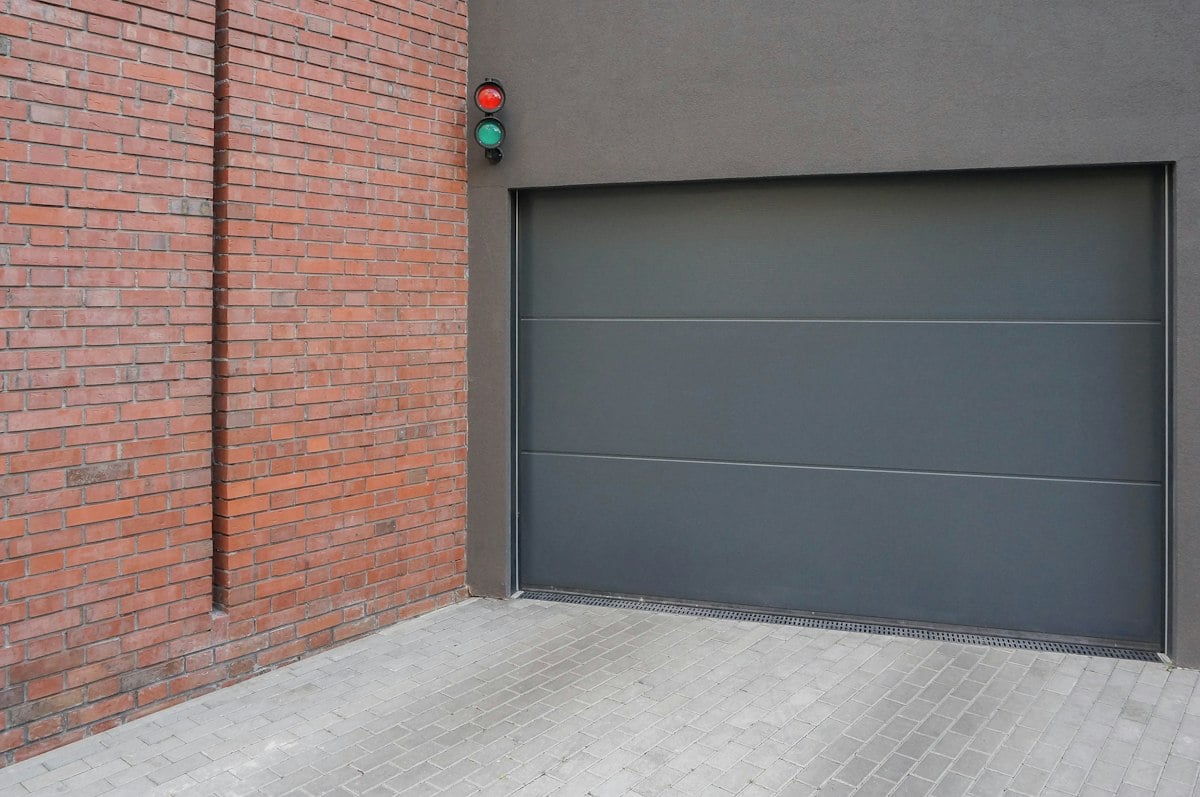
The first job is making the door safe, not getting it moving again. A careful provider works in that order for a reason.
Before anything is realigned the door is supported and the spring tension accounted for. A door hanging out of its track holds its weight in places that were never meant to carry it.
Track, rollers, hinges, the bottom bracket and the panel edges are all checked. Forcing a door back into a bent track is what turns a one-part repair into a bent-section repair.
Once the hardware is sound the door is realigned, the opener's travel and force settings are rechecked and the door is cycled fully before the visit ends.
Sometimes the outcome is simply a replaced roller and a straightened track. Sometimes a section is creased badly enough that it will never seal or travel properly again, and then the conversation changes.
A creased or split section leads to panel replacement, while damaged lifting hardware points at cable and roller work. If several systems were damaged at once, read the repair versus replacement guide before approving a large repair.
Off-track providers may be available across the East Valley, including Mesa. Describe the door's position when you get in touch.
No. The door has lost part of what holds it in line, and running the opener again can drop it or bend the track further. Keep everyone out of the opening and let an independent provider secure it - when you call, check the contact page and say whether a vehicle is trapped inside.
Often, when the track and rollers are the only casualties. If a section is creased or the bottom bracket is torn, parts may need ordering and the independent provider can explain that timing at the visit. See how the process runs.
Light flaring can sometimes be corrected, but a track with a real kink in it will keep throwing rollers and is better replaced. An independent provider should show you the damage and explain the recommendation rather than deciding out of sight. The services page lists the related repairs.
An obstruction in the opening, a broken cable, a badly worn roller, or wind catching a partly open door during a monsoon storm. An independent provider should look for that cause, because realigning the door without fixing the reason simply repeats the failure - see cable and roller repair.
Call and describe what the door was doing and when it started, so a provider can plan around the parts it is likely to need.