Heat and Garage Door Repair in Queen Creek
Garage door repair in Queen Creek often comes down to heat. Long summers dry out seals and lubricant, throw off safety sensors and wear down openers in newer subdivision homes. Here are the signs to watch, what you can check yourself, HOA points to know and how to reach a local provider.
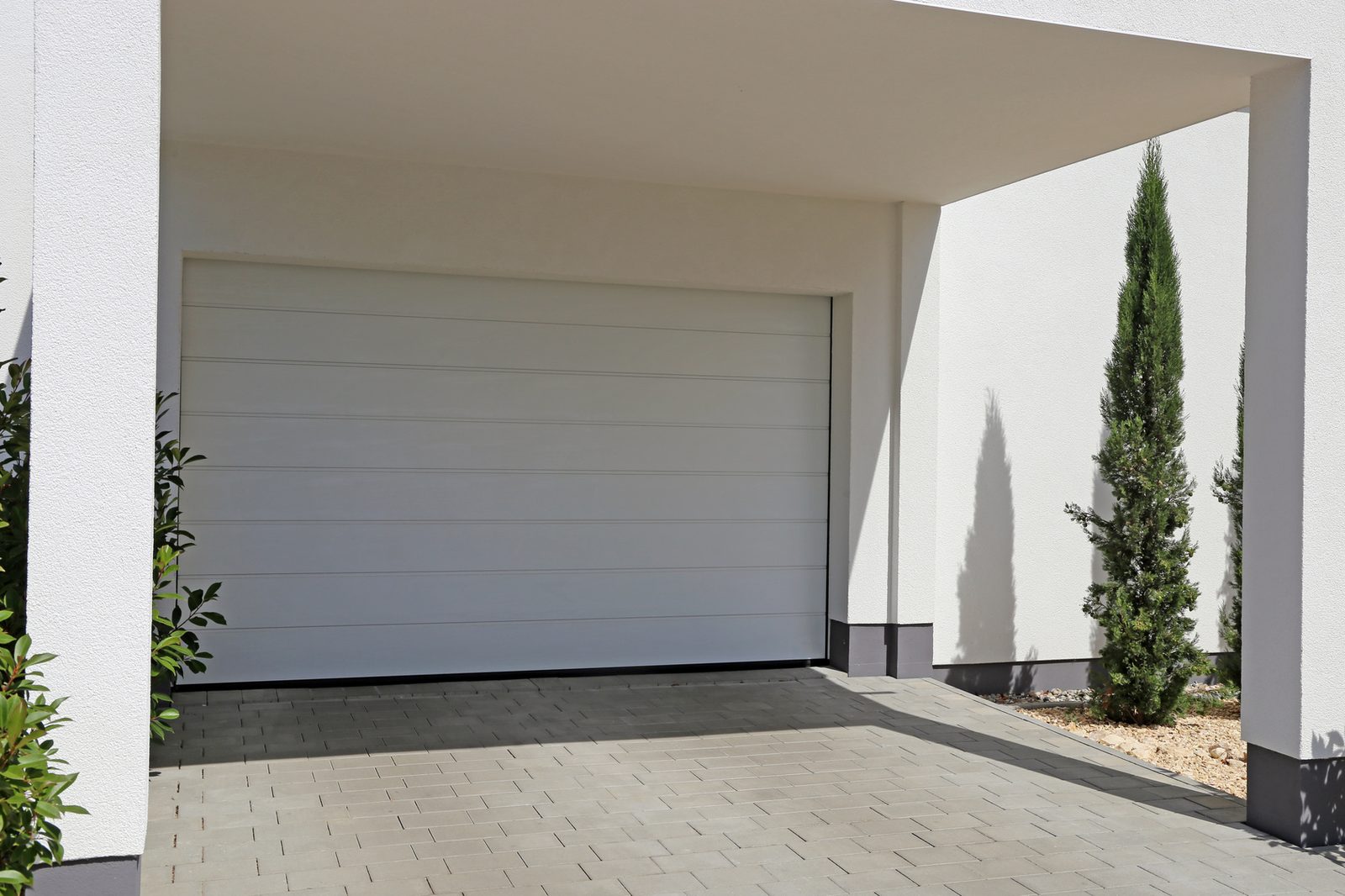
- Heat wears out rubber seals, nylon rollers, grease and opener parts faster, especially on doors that face afternoon sun.
- A door that reverses only on hot, sunny afternoons often has a sensor problem, not a broken opener.
- Phoenix averages 111 days per year of 100°F or higher (1991-2020 normals, Sky Harbor).
- Repairs that do not change the door's look rarely need HOA approval. New doors, colors and styles often do.
- Never adjust a broken spring yourself. Leave the door closed and call for help.
How does summer heat affect garage door repair in Queen Creek?
Summer heat shapes a lot of garage door repair in Queen Creek. Long stretches of triple-digit days dry out lubricant, stiffen rubber seals, warp plastic sensor brackets and make openers work harder. Most of these problems build slowly over the summer and show up as noise, a slow or reversing door, or a gap at the floor by early fall.
Many Queen Creek homes sit in newer subdivisions with attached two- and three-car garages facing the street. A door that faces west or south takes direct sun through the hottest part of the afternoon, and the garage behind it can stay hot well into the evening. That heat reaches the opener motor, the circuit board, the wiring and the batteries in remotes and keypads.
If your door started acting up after a hot stretch, it is worth having it looked at before a small issue turns into a stuck door. The maintenance and tune-up page explains what a routine check covers.
Why does my garage door reverse or stop on hot afternoons?
A door that reverses or stops mostly on hot afternoons often points to the safety sensors or the opener's force settings. Bright, low sun can shine straight into a sensor lens and confuse it, and heat can loosen or bend the brackets that keep the two sensors lined up. When the beam is blocked or misaligned, the opener reverses for safety.
Things worth checking before you call:
- Look for dust, cobwebs or a bent bracket on either sensor near the floor.
- Check whether the sensor indicator lights are steady or blinking.
- Notice whether the problem happens only at one time of day, when sun hits the opening.
If the lights blink or the door keeps reversing, see the sensor and keypad repair page. Do not tape over or bypass the sensors, since they keep the door from closing on a person, pet or car.
Can heat damage a garage door opener?
Heat does not usually ruin an opener in a single day, but long summers in a hot garage add stress. The motor runs warmer, the plastic drive gear in many chain and belt openers wears faster, and the circuit board sits in heat for hours. Openers that are already working against a heavy or poorly balanced door feel that stress most.
Common signs include humming without movement, a door that starts and then stops, a light that flashes an error pattern, or remotes that only work up close.
The opener troubleshooting guide walks through basic checks. If those do not help, the opener repair page explains the repair-or-replace options a provider will talk through.
Need help now? Call to be connected with a local provider in Chandler who can check availability for your address.
What heat-related wear should Queen Creek homeowners watch for?
The most common heat-related wear on Queen Creek garage doors is on the parts made of rubber, plastic or grease. These parts break down faster in the sun and heat, and dust from construction sites and open lots speeds up the wear. A quick look once a season can catch most of it early.
- Bottom seal: cracked, flattened or curled rubber that lets light, dust or bugs in at the floor.
- Side and top weatherstripping: brittle strips that pull away from the frame.
- Rollers: nylon rollers that crack or flat-spot, causing a grinding or bumping sound.
- Lubricant: dried, gummy grease on hinges, rollers and springs that makes the door noisy.
- Panels: fading, bowing or delaminating on the sunny side of the door.
None of these is an emergency on its own, but together they make the opener work harder.
Is a broken spring more likely in hot weather?
Springs wear out mainly from use, not from heat alone. Each spring is built for a certain number of open-and-close cycles, and families in busy subdivisions often use the garage as the main entry, which adds up fast.
A broken spring often makes a loud bang, and the door may feel very heavy or open only a few inches. Springs hold a lot of tension and can cause serious injury, so do not try to adjust or replace one yourself. Leave the door closed if you can and read the spring repair page before you call.
Do I need HOA approval for garage door work in Queen Creek?
Most HOA communities treat repairs that do not change how the door looks as normal maintenance. Replacing a spring, roller, cable, opener, sensor or bottom seal usually falls in that group. Replacing the whole door, changing panel style or color, or adding windows is the kind of change many HOAs review first.
Every community writes its own rules, so check your HOA documents or ask your management company if you are unsure. If you are planning a new door, ask the provider for a written quote that lists the door style and color so you can share it with the HOA.
What happens during the visit?
A garage door visit usually starts with an inspection of the whole system, not just the part that seems broken. The provider checks the springs, cables, rollers, tracks, sensors, opener and seals, and tests how the door balances and moves. Then they explain what they found and the options, such as repairing one part, replacing a worn set, or replacing the opener.
You should get a written quote before any work starts. Ask what each line covers and which parts are optional. In Arizona, homeowners can look up a contractor in the Arizona Registrar of Contractors online contractor search before work begins.
When is the right time to schedule garage door service in Queen Creek?
Fall is a practical time to schedule garage door service in Queen Creek. The worst heat has passed, the monsoon season is over, and any wear from summer is easy to see. A check now can catch dried seals, worn rollers and sensor problems before the next summer, when a stuck door is harder to deal with.
That said, a door that will not open, a snapped spring, a frayed cable or a door off its track should not wait for a season. Call as soon as you notice those problems. For a door that has come out of its track, see the off-track repair page and keep people and cars clear.
Queen Creek conditions that affect garage doors
Queen Creek shares the East Valley's long, hot summers. At Phoenix Sky Harbor, the official Phoenix station, the area averages 111 days per year of 100°F or higher and 21 days per year of 110°F or higher, based on 1991-2020 normals. In 2024, Phoenix recorded 70 days of 110°F or higher, the most on record, and a stretch of 113 straight days at 100°F or higher, from May 27 to September 16.
Storms add stress too. The National Weather Service defines the monsoon as June 15 through September 30. NWS says a Dust Storm Warning means visibility of 1/4 mile or less, and that wind gusts of 40 to 60 mph are also likely. Wind can catch a partly open door, and dust settles into tracks and rollers.
Heat is also a personal safety issue. NWS Phoenix says heat-associated deaths in Arizona can occur with temperatures in the mid 80s and hotter, so do not spend long stretches working in a closed, hot garage.
Whether you live in Queen Creek, San Tan Valley, Gilbert or Chandler, call to be connected with a local provider who serves your address. The main Queen Creek service page covers shops, RV bays and larger properties.
Related pages
Questions people ask
Who handles garage door repair in Queen Creek, AZ?
Call the number on this page to be connected with an independent local provider who serves Queen Creek. Describe what the door is doing and the provider can explain the next step.
Why does my garage door only act up in the afternoon?
Afternoon sun and heat are common causes. Low sun can shine into the safety sensors, and heat can shift sensor brackets or make an opener work harder, so the door may reverse or stop only at certain times.
Can the Arizona heat break my garage door opener?
Heat rarely breaks an opener all at once, but long summers in a hot garage add wear. The motor, plastic gears and circuit board all age faster when the garage stays hot for months.
Why does my garage door keypad stop working in summer?
Weak batteries are the most common reason. Heat drains keypad and remote batteries faster, so try fresh batteries first, then check whether the keypad cover or wiring has been damaged by sun.
Is it normal for my garage door to be louder after summer?
It is common. Heat dries out grease on rollers, hinges and springs, which makes the door squeak or grind, and worn nylon rollers can also add noise.
Why is there a gap at the bottom of my garage door?
A gap at the floor usually means the bottom seal is cracked, flattened or curled from heat. It can also mean the door is out of balance or the limit setting on the opener needs adjustment.
Is it safe to open my garage door if the spring broke?
No, it is safer to leave it closed. A door with a broken spring can be very heavy and may drop, and the opener can be damaged trying to lift it.
Can I replace a garage door spring myself?
It is not recommended. Springs hold a lot of tension and can cause serious injury, so leave spring work to a trained provider.
Do I need HOA approval to repair my garage door in Queen Creek?
Usually not for repairs that do not change the door's look, like springs, rollers, openers or seals. Replacing the door or changing its style or color often needs review, so check your HOA rules.
What kind of garage door holds up well in Queen Creek heat?
Many homeowners ask about insulated doors and lighter colors for sunny exposures. A provider can explain the options for your home, and your HOA may limit colors and styles.
How do I know if my garage door sensors are misaligned?
Check the small lights on each sensor near the floor. If one is blinking or off, the sensors may be dirty, blocked or knocked out of line.
Can monsoon wind damage my garage door?
Yes. Strong gusts can catch a partly open door and bend tracks or panels, so keep the door fully closed when a storm is coming.
What should I tell the provider when I call about my Queen Creek garage door?
Describe what the door is doing, when it started and whether it gets afternoon sun. Mention the door size, the opener brand if you know it, and any HOA rules.
Will I get a quote before the garage door work starts?
You should. Ask for a written quote that lists the parts and the work before anything is done, and ask which items are optional.
How can I check if a garage door contractor is licensed in Arizona?
Use the Arizona Registrar of Contractors online contractor search. Under Arizona law, it is unlawful to act as a contractor without a license in good standing unless an exemption applies.
What time of year makes sense for garage door maintenance in Queen Creek?
Fall is a practical time. Summer wear is easy to spot, the monsoon is over, and the work is more comfortable than in peak heat.
Should I repair or replace an older garage door opener?
It depends on the problem and the opener's age and parts. A provider can compare repair and replacement at the visit, and the repair versus replacement guide on this site explains the trade-offs.
Does garage door repair in Queen Creek include San Tan Valley and Gilbert?
Yes, the call line connects homeowners in Queen Creek, San Tan Valley, Gilbert, Chandler and nearby areas with local providers. Availability depends on your address.
Talk to someone about your garage door problem
Call to be connected with a local provider who can check availability for your address and explain the next step.