Garage Door Bottom Seal Types in Chandler
The main garage door bottom seal types are T-style, bulb, J-type, U-shaped (beaded) and brush seals, plus a floor threshold seal. In Chandler, the right one depends on your door's retainer track and how uneven the slab is. If the seal is torn, flat or letting in dust, call to be connected with a local provider.
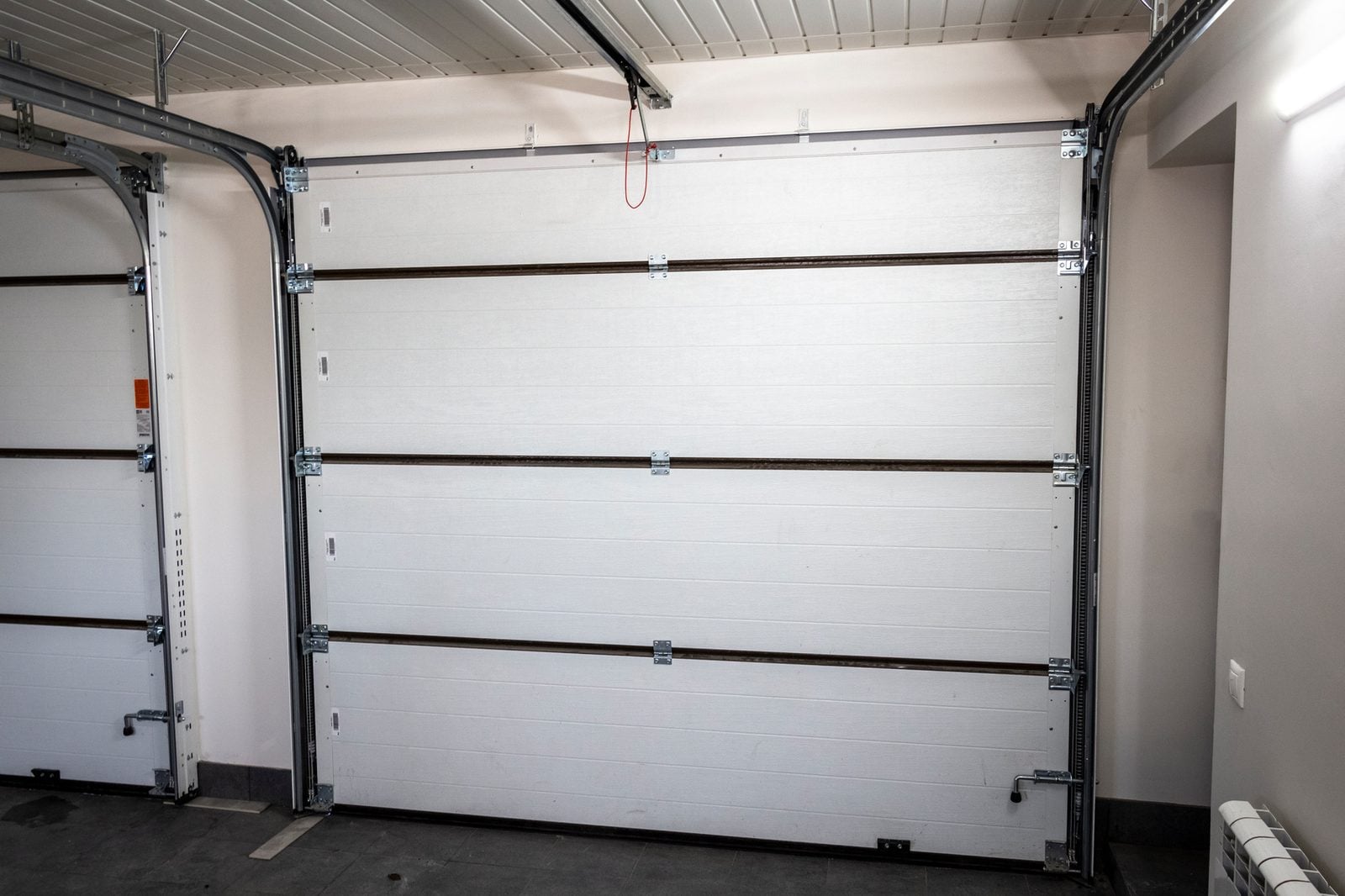
- The bottom seal is the rubber or vinyl strip along the bottom edge of the garage door. It closes the gap between the door and the floor.
- Most seal types only fit one kind of retainer, the metal or aluminum channel on the door bottom, so the retainer decides which seal you can use.
- Bulb and U-shaped seals handle small dips in a slab. A threshold seal on the floor helps with larger gaps.
- A seal that is too thick can make the door think it hit something, so the opener may reverse.
- Arizona homeowners can look up a contractor in the Arizona Registrar of Contractors online contractor search.
What are the different garage door bottom seal types?
The common garage door bottom seal types are T-style, bulb, J-type, U-shaped or beaded, and brush seals. Each one slides or nails onto the bottom of the door in a different way. A threshold seal is a separate strip glued to the floor that works with the door seal.
- T-style: a flat strip with T-shaped edges that slide into a two-channel aluminum retainer.
- Bulb: a round hollow tube along the bottom that squeezes against the floor.
- J-type: edges that curl like the letter J and hook into a matching retainer.
- U-shaped or beaded: a loop of vinyl with beaded edges that slide into the retainer, with both sides of the loop touching the floor.
- Brush: dense bristles, used more on commercial and rolling doors.
- Threshold: a raised rubber strip fixed to the garage floor.
Older wood doors may have a simple strip nailed straight onto the bottom rail with no retainer at all.
How do I know which bottom seal fits my garage door?
The way to know which bottom seal fits your garage door is to look at the retainer, the channel the seal slides into. Pull a few inches of the old seal out at one end and look at the edge shape: T, J, bulb or beaded. Then measure the width of the seal and the slot opening.
Many steel doors in Chandler subdivisions use aluminum retainers with two slots. Some brands use their own shapes, so a seal from a home store may not slide in even if it looks close. Write down the door brand if you can find a label inside the door. If the retainer is bent, rusted or missing, the retainer needs attention before any new seal will sit right.
Which garage door bottom seal type works well on an uneven floor?
On an uneven floor, a bulb or U-shaped garage door bottom seal usually covers small dips better than a flat T-style seal, because the tube or loop squashes down where the slab is high and stays rounder where it is low. For a larger gap, adding a threshold seal on the floor is often the next step.
Slabs settle and crack over time, and some driveways slope toward the door. A seal can only stretch so far. If you can see daylight in the middle or at one corner with the door closed, a thicker seal alone may not fix it. Sometimes the door is not level because of a spring or cable issue, which a provider should check first. The cable and roller repair page explains those signs.
Need help now? Call to be connected with a local provider in Chandler who can check availability for your address.
Is a threshold seal better than a new bottom seal?
A threshold seal is not better or worse than a new bottom seal; it does a different job. The bottom seal moves with the door, while a threshold seal is a raised strip fixed to the floor. Many Chandler garages use both, with the threshold blocking a wider gap and helping keep rain and dust from blowing under the door.
A threshold can be a small bump for carts and bikes, and it does not fix a torn door seal. Replace cracked rubber on the door first, then decide if a threshold is still needed.
What are the signs a garage door bottom seal needs replacing?
A garage door bottom seal needs replacing when it is cracked, torn, flattened, hard to the touch or pulling out of the retainer. Other signs are light showing under the closed door, dust and leaves piling up inside, and water running in during storms.
- Rubber that feels stiff or crumbles when you bend it.
- Sections hanging loose or dragging on the floor.
- Gaps at the corners where the seal has shrunk.
- The door reversing just as it touches the floor.
A worn seal is not an emergency, but it is worth fixing before monsoon season. The maintenance and tune-up page covers other parts to check at the same time.
Can I replace a garage door bottom seal myself?
Many people can replace a garage door bottom seal themselves when the retainer is in good shape and the seal slides out freely. The usual steps are to raise the door a few feet, lock it so it cannot move, slide the old seal out, spray a little soapy water in the slots and feed the new seal in.
Call for help if the retainer is bent or rusted, if the door is not level, or if the bottom bracket needs to come off to get the seal in. The bottom brackets connect to the lift cables, which are under high spring tension. Never loosen those brackets. After any seal change, test that the door still reverses when it touches an object on the floor.
Does a garage door bottom seal type change how the opener works?
Yes, the garage door bottom seal type can change how the opener works. A much thicker bulb or loop raises the point where the door meets the floor. The opener may sense that as an obstacle and reverse, or it may stop short and leave a gap.
Openers have close limit and force settings. Adjusting them is covered in your opener manual, but turning up the force to stop a reversing problem is not safe. If the door reverses after a new seal, call to have the limits and safety reverse checked. The opener repair page explains more about how openers sense the floor.
What happens during the visit?
A visit for a garage door bottom seal starts with an inspection. The provider closes the door and checks for gaps along the floor, looks at the seal and the retainer, and checks whether the door sits level. They also look at the springs, cables, rollers and the weather seal along the sides and top.
Then they explain the options, such as a new seal in the existing retainer, a new retainer and seal, adding a threshold, or fixing a balance problem first. You should get a written quote before any work starts. Ask which seal type they plan to use and why. You can also look up the contractor in the Arizona Registrar of Contractors online contractor search.
Why bottom seals matter in Chandler
Chandler weather is rough on rubber and vinyl. At Phoenix Sky Harbor, the official Phoenix station, the area averages 111 days per year of 100°F or higher, based on 1991-2020 normals, and Phoenix's all-time record high is 122°F, set on 26 Jun 1990. Long stretches of heat can dry out and stiffen a seal that sits in direct sun on a west-facing door.
The National Weather Service defines the monsoon as June 15 through September 30. NWS says a Dust Storm Warning means visibility of 1/4 mile or less, and wind gusts of 40 to 60 mph are also likely. A worn seal lets that dust blow straight into the garage. NWS also says Phoenix averages 2.43 inches of precipitation during the monsoon, and notes that flash floods are common in Arizona, so a tight seal helps keep storm runoff out.
Under Arizona law, it is unlawful to act as a contractor without a license in good standing unless an exemption applies. Homeowners can check a contractor in the Arizona Registrar of Contractors online contractor search.
Whether your home is in central Chandler, Ocotillo, Sun Lakes, Gilbert or Tempe, call to be connected with a local provider who serves your address.
Related pages
Questions people ask
What are the main garage door bottom seal types?
The main garage door bottom seal types are T-style, bulb, J-type, U-shaped (beaded) and brush seals. A threshold seal on the floor is a separate add-on that works with the door seal.
How do I tell if my garage door needs a T-style or a J-type bottom seal?
Look at the edge of the old seal where it slides into the retainer. T-style edges look like a flat T, and J-type edges curl into a hook. Match the new seal to that shape and width.
Will a universal garage door bottom seal fit any door?
No, a universal seal does not fit every door. It usually fits common two-slot aluminum retainers, but some door brands use their own retainer shapes that need a matching seal.
What is the difference between a bulb seal and a U-shaped garage door seal?
A bulb seal is a single round tube that presses on the floor, while a U-shaped seal is a loop with two legs that both touch the floor. Both handle small dips in a slab better than a flat strip.
Why is there still light under my garage door after I put in a new seal?
Light under a new seal usually means the floor is uneven or the door is not sitting level. A thicker seal or a threshold may help, but a door that hangs crooked should be checked for spring or cable problems.
Do I need a threshold seal if I have a good bottom seal?
Not always. A threshold seal helps when the gap is wider than the door seal can cover, or when water and dust blow in at the floor line. If the door seal closes tight, a threshold may not be needed.
How often should a garage door bottom seal be replaced in Arizona?
There is no fixed schedule. Check the seal once or twice a year and replace it when it is cracked, flat, hard or pulling out of the retainer. Doors in full sun tend to need it sooner.
Why does my garage door go back up after I changed the bottom seal?
The new seal may be thicker than the old one, so the opener senses the floor as an obstacle and reverses. The close limit may need adjusting. Do not turn up the force setting to stop it.
Can a bad bottom seal let water into my garage during monsoon storms?
Yes, a torn or flat bottom seal can let rain and runoff in under the door. A tight seal, and a threshold where the driveway slopes toward the garage, helps keep water out.
Does a garage door bottom seal keep dust out during haboobs?
A seal in good shape blocks most of the dust that would blow under the door at the floor line. Gaps at the corners and along the sides still let dust in, so check the side and top weather seal too.
Are vinyl or rubber garage door bottom seals better for hot weather?
Both are used in hot climates. Rubber stays more flexible, while vinyl can stiffen over time in heat. Look for a seal made for outdoor and high-heat use and replace it when it hardens.
Is it safe to remove the bottom bracket to change my garage door seal?
No, leave the bottom brackets alone. They hold the lift cables, which are under high spring tension. If the seal cannot go in without removing them, call to be connected with a local provider.
Who can replace a garage door bottom seal in Chandler, AZ?
Call the number on this page to be connected with an independent local provider who handles garage door bottom seal work in Chandler. Describe the gap and the door type, and the provider can explain the options.
What should I tell the provider when I call about my garage door seal?
Say where you see light or gaps, whether water or dust comes in, the door brand if you know it, and if the door reverses or hangs crooked. Photos of the seal edge help too.
Does the call line cover garage door seal work in Ocotillo, Sun Lakes and Tempe?
Yes, the call line covers Chandler and nearby areas, including Ocotillo, Sun Lakes, Gilbert, Mesa and Tempe. You will be connected with a local provider who serves your address.
Talk to someone about your garage door problem
Call to be connected with a local provider who can check availability for your address and explain the next step.